MYCURAJOY · FOR THE WHOLE FAMILY
Family life brings big feelings and small turning points. MyCuraJOY helps you understand the patterns, try practical activities and find a next step that fits.
For everyday challenges. For the skills you want to build.

For all the moments you’re
figuring out together.
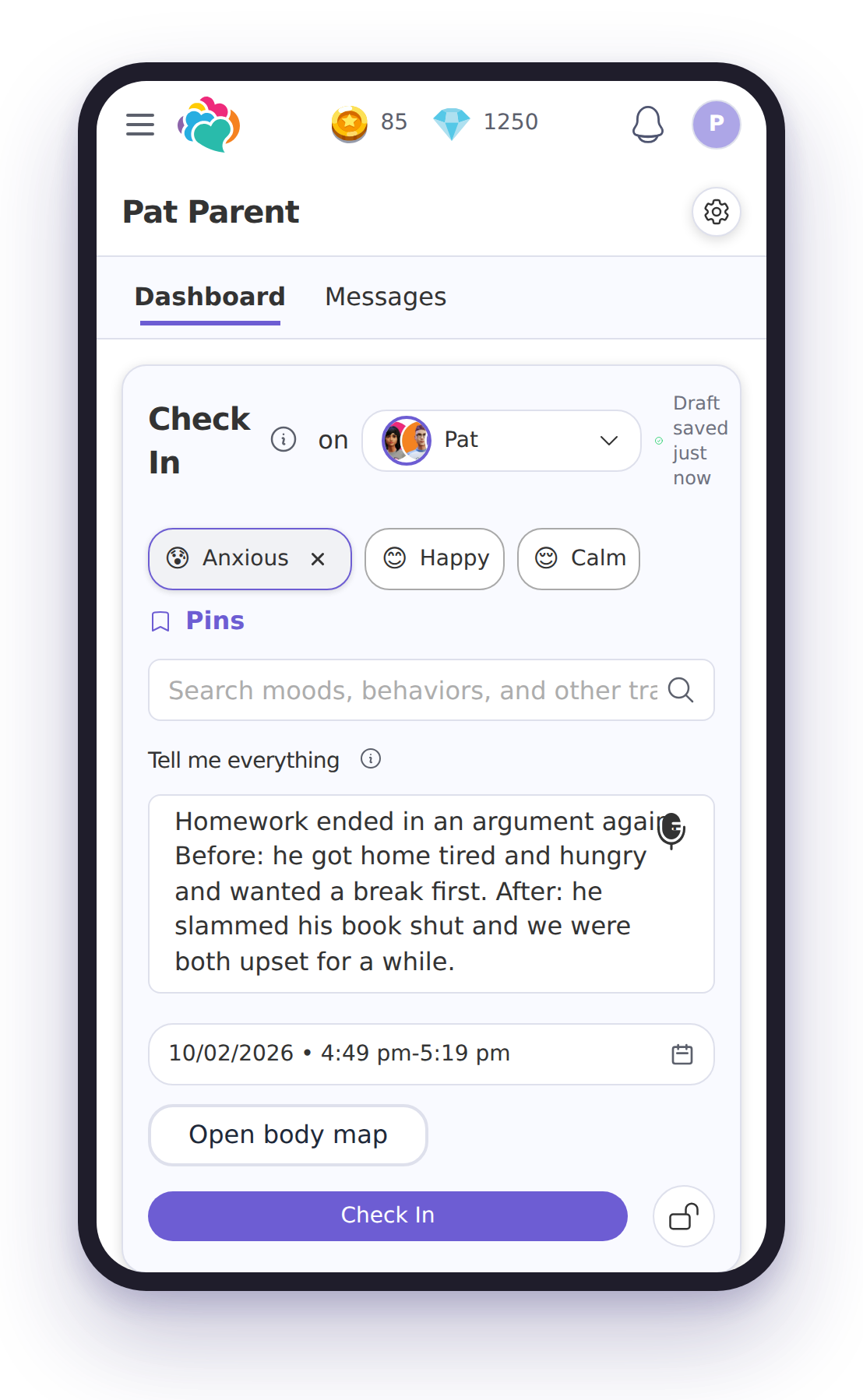
A SMALL PLACE TO START
A hard afternoon. An argument over homework. The confidence to try something new. Start with what matters to you.
Add the details that help tell the story: mood, body symptoms, and what happened before and after. Observations over time can make patterns easier to explore.
HOW MYCURAJOY WORKS
Check in, try something, and use what you learn to choose the next step. You can begin with any part.

Check in about behavior, mood, body symptoms and what happened before and after. MyCuraJOY can follow up when important details are missing.
A check-in captures a perspective. One moment is a starting point.





Choose a part to explore.
AN EXAMPLE FROM EVERYDAY LIFE
Homework keeps ending in an argument.
A teen feels drained. A parent wants to help. A teacher notices a change. Each sees a different part of the day. Understanding can begin with making room for those perspectives.

Illustrated family scenario · not a testimonial
“I’m drained by the time I get home.”
“I want to help. We keep ending up in an argument.”
“Some afternoons seem harder than others.”
Separate perspectives, separate records. Each person chooses what to share.
One possible next step: a break and a snack before homework. Try one small task, record how it goes, and adjust.
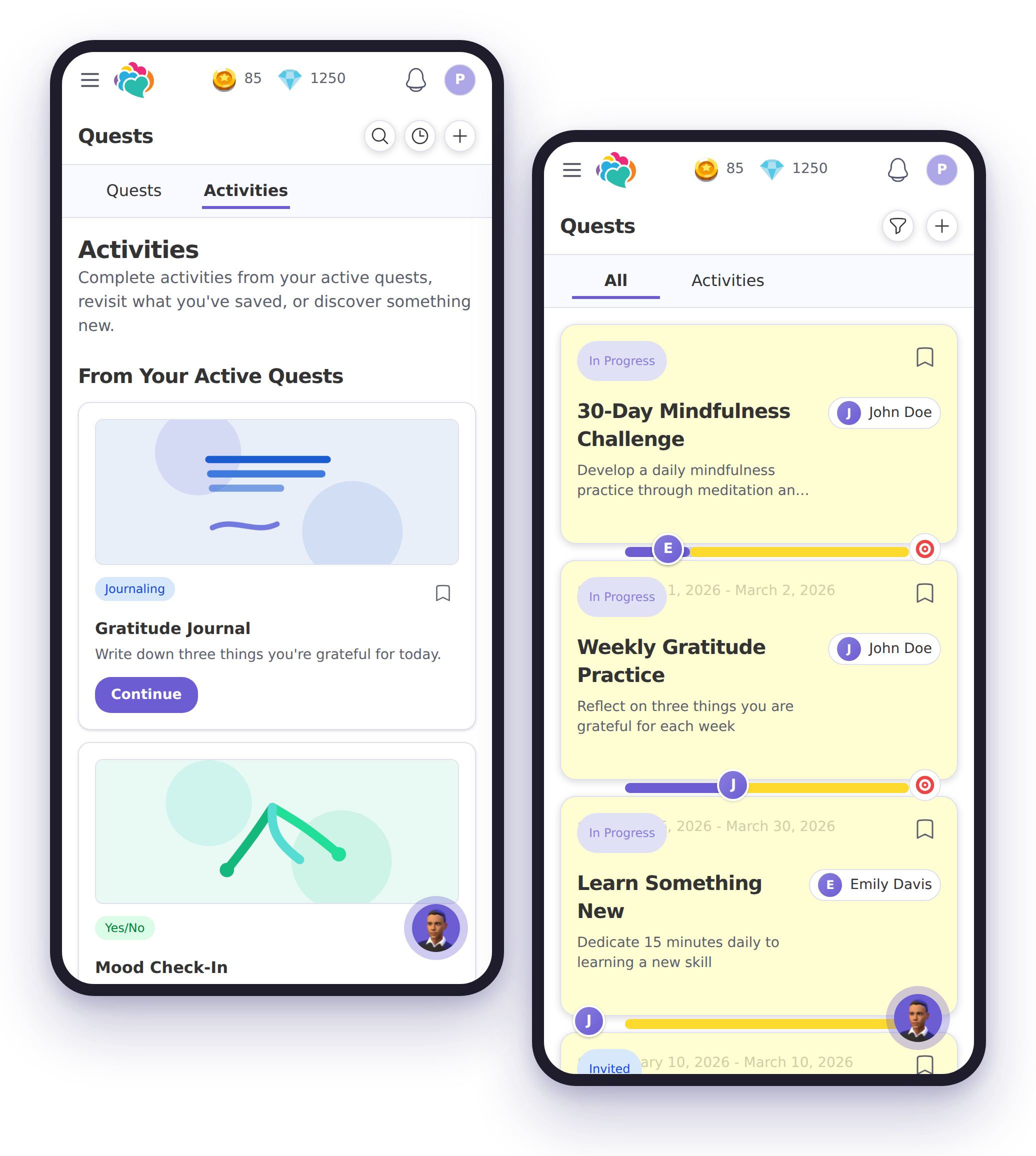
SOMETHING USEFUL TO TRY
Something concrete to do now.
A goal with a time frame, clear success criteria and selected activities.
Rewards are optional. Your feedback helps add context for what to try next.
YOUR HELP, YOUR SAY
Support should leave room for you. What matters to you, what feels useful, and what you’re ready to share all belong in the conversation.
I can say no.I can choose.I can change my mind.
Your perspective belongs in the process.
Try a recommendation, choose another, dismiss it or explain why it doesn’t fit. Your feedback matters.
Each person controls their own records. Being part of the same family does not automatically give someone access to private check-ins.
Young people can choose quests and accept or decline invitations. Their perspective matters, too.
SCIENCE WITH PEOPLE AT THE CENTER
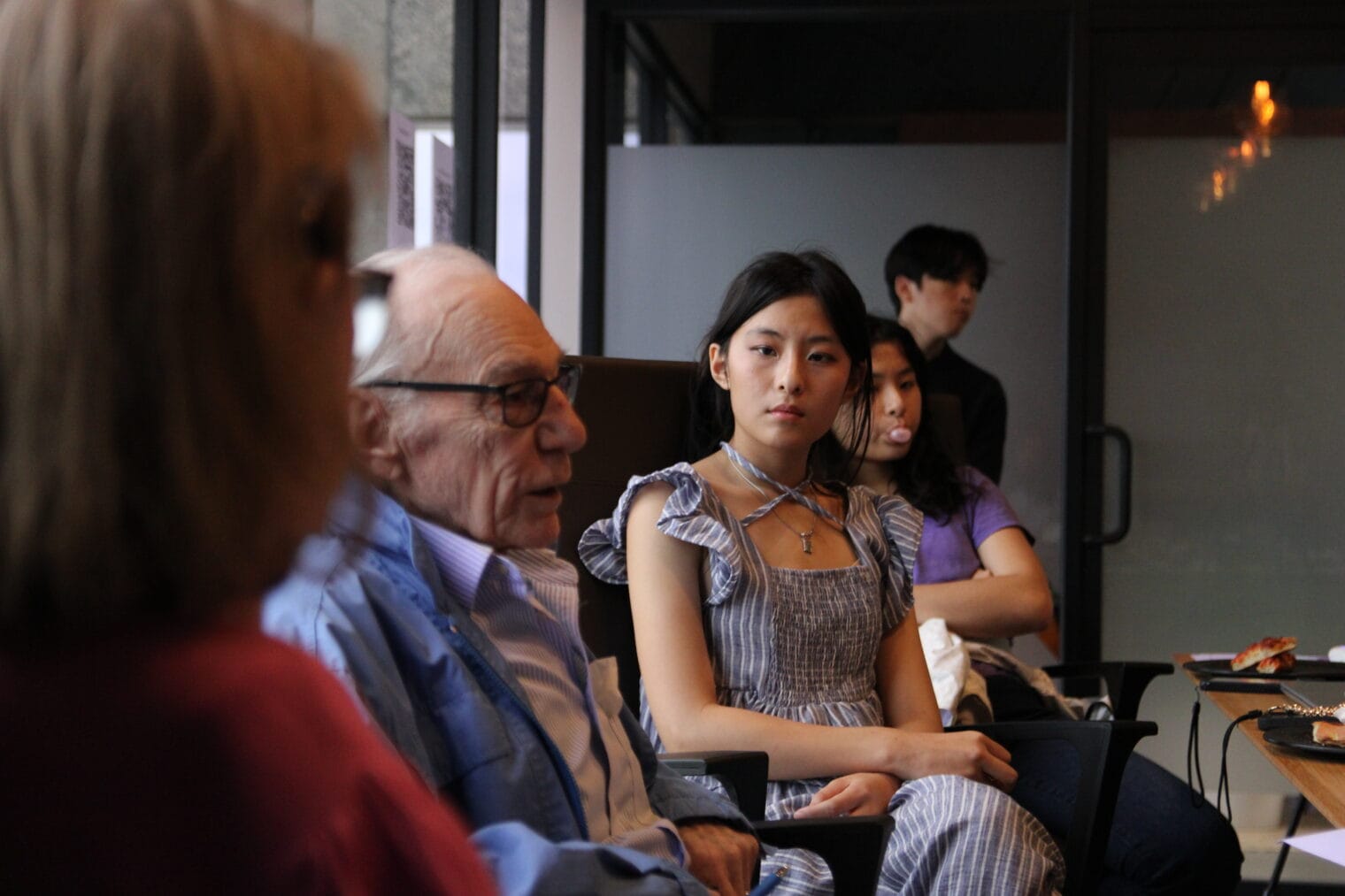
Different perspectives belong in the conversation.
Behavioral science and social-emotional learning inform the approach to observation and practice.
Established assessment scales help structure observations and conversations about wellbeing.
MyCuraJOY adds context between everyday moments and professional support. Qualified clinicians make clinical decisions.
A FEW THINGS YOU MAY BE WONDERING
Do we need a diagnosis to start?
No. MyCuraJOY supports everyday challenges and goals such as confidence, communication and independence. It can also be used by neurodivergent families and people receiving professional care.
What is the difference between an activity and a quest?
An activity is something concrete to do now. A quest works toward a goal over a defined time frame, with clear success criteria and selected activities. Rewards are optional.
Can my family see everything I record?
Each person controls their own records and chooses what to share. Being related to someone, contributing a separate perspective or being the subject of a check-in does not automatically grant access to their private records.
Can we use it alongside therapy or school support?
Yes. Everyday observations and practice can add context between appointments. Teachers and clinicians can contribute their own perspectives, with sharing controlled by each record’s creator. MyCuraJOY does not replace a clinician.
What does AI do?
AI helps organize observations, follow up when details are missing and suggest next steps. You decide what fits. Qualified clinicians make clinical decisions.
START WITH WHAT MATTERS TODAY
Start with one moment or one goal. Add a little context. Find something useful to try, and build from there.
Get started